
Embracing the Undefinable Self with Charlie Rogers: Multi-Passionate Living, Emotional Integration & A Profitable Portfolio Career


Charlie Rogers, entrepreneur, community builder, and founder of undefinables, opens up about what it really means to design a life that doesn’t fit inside a neat box. Charlie shares his winding journey through national level sports, entrepreneurship, and self-discovery, highlighting the power of embracing multiple passions rather than forcing yourself into a single identity.
He talks candidly about motivation, vulnerability, emotional integration, and the surprising lessons that cycling off a cliff, rewiring academic expectations, and grinding through the book-writing process taught him. Charlie also reflects on the moments when “giving up” is actually a form of reinvention, and how community can help you rebuild with clarity and purpose.
Whether you’re multi-passionate, creatively stuck, or redefining who you want to be, this conversation offers tools for navigating change without losing yourself.
What you’ll walk away with:
- Permission to pursue multiple passions without apology
- A new understanding of motivation—and how purpose, profit, and play each fuel it
- A framework for emotional integration to support healthier mental and emotional balance
- Practical steps to build community and deeper connections through vulnerability
- Lessons from sports that can sharpen resilience and strengthen self-belief
- A grounded look at what it really takes to write a book (and how to start your own)
- A mindset shift around “giving up” as a strategic reset, not a failure
- Tools for managing your energy and mental health during seasons of reinvention
- Insight that understanding your interests is the gateway to genuine expertise and fulfillment
Follow Low to Grow
Instagram: @lowtogrowpodcast
Connect with Charlie on his profile page on our website!
Please Note: Low to Grow is for educational purposes only and should not be considered a substitute for professional advice. For free mental health resources, visit https://www.mind.org.uk.
Chapters
00:00 Embracing theUndefinable Self
06:39 The Journey ofEntrepreneurship
10:47 Motivation andCommunity Building
11:23 Lessons fromSports and Personal Growth
11:50 ResittingA-Levels, From ACC to A*AA!
12:30 How cyclingoff a cliff got him to TEAM GB at European Triathlon
25:08 ReframingSuccess and Enjoying the Process
26:01 EmotionalThawing: A Journey of Self-Discovery
32:39 TheTransformative Process of Writing a Book
38:55 The Balance ofPerseverance and Reinvention
44:11 EnergyManagement for Better Mental Health
Feeling motivated? Take action today by subscribing to LIFT with Low to Grow, a weekly email newsletter with my personal take on all things Mental Health X Entrepreneurship!
Charlie Rogers (00:00)
either lean left and lean my whole body into the tarmac and scrape it across the ground. Or I could hit the crash barrier that's going over this bridge and go over the edge. And I chose.
the latter.
by understanding and integrating energy as a equal motivation to the pursuit of goals and the pursuit of thereby income is something that I think is really, really powerful.
Annie WM Yu (01:17)
Today, I am so excited to have Charlie Rogers, the brains and the mind behind the Undefinables community. It's a space dedicated to people who do not just fit into one box. And honestly, maybe folks who don't want to fit into one box. Charlie coaches multi-passionate individuals by using his life design frameworks, intimate community spaces, and also meaningful transitions, helping these individuals to build lives that actually honor the uniqueness instead of suppressing various parts of it.
Charlie is a workshop facilitator, a nonprofit community builder supporting more than 40 members. And he also has a newsletter with over 1,500 engaged readers. Now, just this year in 2026, Charlie published his debut book called Undefineable Life Design, where he shares a practical and energizing model for how you can turn your many interests
into a sustainable and aligned life, both financially and emotionally.
If you are someone who refuses to shrink your potential or to choose between your passions, Charlie is the person that you want to be listening from.
Annie Wenmiao Yu (02:24)
Charlie, it's a pleasure to have you on the Low to Grow podcast. who do you want to be listening to our conversation today?
Charlie Rogers (02:31)
Likewise, Annie, it's great to be here too. I'd love for those who see themselves as more than one thing, those who are living beyond conventional labels, the undefinables amongst us. Perhaps they call themselves more potentialites, perhaps they call themselves generalists, or perhaps they call themselves something else entirely, or they maybe don't even have a label. I'd love for them to be listening today and to hear what we've got to share.
Annie Wenmiao Yu (02:56)
absolutely adore the fact that you call your community of people the undefinables. I actually really got to know your community and also your own story when I came to one of your community events about finding the golden thread. when did you first realize that you yourself didn't fit into a single box? And I said, how did that shape everything that came after?
Charlie Rogers (03:16)
So for me, there's lessons from childhood around wanting to be an entrepreneur and think differently about how I built a business. And there's times at school where I've started a tuck shop when I was 15, starting school selling like candy from our own house back in those days. then...
There was a time of starting a clothing brand there afterwards as well. So they were the kind of inklings, the beginnings of thinking that I was seeing the world a little bit differently. And I think it really came to a head when I chose my A levels. I chose economics, history and biology, which are some random combination and was often advised against. People would say, you know, where's that going? What's that leading to? What's the point in you choosing those? Why aren't you
picking a path already and why aren't you thinking about how they could perhaps become part of a medicine degree or a business degree? And I was like, I just find them interesting and I want to explore them more deeply. so choosing them was definitely a starting point for kind of leaning in to my undefinableness. And then when I chose my university path as well, that was another double down on that as well because I, from that point decided that I wanted to choose and prioritize Loughborough as being my only choice.
even though it offered me the lowest grade offers, most people have a firm and a secondary choice, I chose it as my only one. And that's because in my mind, I wanted the whole experience of going to university, the societies, the people, the sports, the whole academic experience beyond just purely sitting behind a screen and writing some essays at the time. So for me, I wanted the broader experience. And I think that that then became another kind of undefinable step towards
veering off the traditional path. one that really veered me off while I was at uni was that I decided to take on a year in enterprise. most people do a placement year where they work for a company for 12 months. In fact, it's actually was mandatory within Loughborough. But for me, I decided to turn down an offer from Deloitte and instead go and...
work for myself for the year while also funding that journey by working part-time two and a half days a week as well. that then led to this whole, starting my first business called Posty where I designed parcel boxes that could attach to your house to receive deliveries from you. That business I closed lockdown. So that was March, 2020 and my final year of university. And then started my second one, House Hack.
I didn't know at the time that was just a passion project between housemates and lockdown, but that became my second business. It turned into a profitable business and we enjoyed the journey, had a lot of fun along the way. And then over the next year and a half, two years, we were self-funded, able to travel around the UK and make actual living from it. But then I got to a point where I felt that I outgrew it and I wanted to move on to the next thing. So I closed that business. The second one had a portfolio career for a while where I figured things out and then.
I moved back home and decided to really sit with what I wanted to spend the rest of my life doing and what on earth was my own golden thread. And that really focused me on the future of careers and the future of work. since the start of 2023, I've really kind of narrowed myself down to that being the core focus of what I spend my time on. And that's led to everything that's happened since, which is, yeah, know, a beauty and a blessing.
Annie Wenmiao Yu (06:39)
a beauty and a blessing indeed. And I also really like how you work with a lot of people that have many interests. And from your kind of description of all the entrepreneurial activities and initiatives that you started, I think that very bold move of turning down Deloitte and choosing to work for yourself that year. I think that's all hallmarks of a serial entrepreneur. I find it really interesting that you decided to go away from building a product-based business.
to now focusing on working with people and enabling people that have many interests to really, I guess, do the same process that you were able to do in the past few years, which is find that golden thread through your life and then build your life around it. ⁓ Charlie, I'm also quite curious, how do you manage to stay motivated over all of those entrepreneurial activities and even your work right now with the Undefined
leading a business or being an entrepreneur, that can be quite a lonely
Charlie Rogers (07:32)
Hmm. Yeah. So this is something that I actually talk about in my upcoming book as well. I talk about it being that there are different fuels of motivation. So for me, one of them is purpose, the second is profit and the third is play. And how do I bring them all into everything that I do? The community is a great example of this for me in the sense that it's always intended to be a nonprofit. It doesn't pay me directly and that's on purpose.
because I want it to be something that can sustain us, everyone as a member contributes to it. And so there's also a line here that I have to draw where if it's not for profit, how do I stay motivated on the money side? How do I actually make a living from this that can build wealth for myself and my family in the future? And so they came to a head where I had to decide that, okay, I'm going to split the kind of brand into a undefinable community being focused on
those in the age of discovery between 22 and 35 providing the intimate spaces and that being all about the way we have a community events that we do. We do retreats, we do monthly workshops and we do celebrations throughout the year. And that's the scope of the community. And that's what it's all about. And yes, I might lead it, but everyone contributes. But then on the for-profit side created Undefinable Life Design as the brand. And that's where I host the workshops and do the one-to-one coaching. it's also where I'm writing the book
And so for me, staying motivated is allowing myself to turn up as the sort of playful version of myself in the community where I know that this isn't paying me, even though there might be sometimes clients within it who I work on a coaching basis or they might come to some of the workshops or you read the book. I am selfishly motivated to build the community in the sense that it deepens my understanding of the persona and it creates advocates of what I'm building elsewhere. but.
It also then allows me to have it as a place that I can play and show up as my full self. In fact, there was a retreat back in May where that kind of came to a head where I felt like I was having to wear a mask of being the one that had all the answers because in the community then was several clients. There's my partner, there's friends. There's a lot of levels to that, that blur and blend. And that's part of the beauty of life. But it's also can be a little bit overwhelming to have so many of your connections in one place because you don't know how to show up for all of them.
And I found that when I shared that with everyone and said to them, this is a struggle that I've had, and I was just naming it, it allowed me then to kind of show up as a more integrated version of myself and to say, look, just own the challenge that I'm in and realize that there are other people there that might be a client. Yes, but they can also see me for a fellow friend and community member too. And so even though we're blurring the different labels, it allows myself to feel a sense of relief when I turn up to those events too.
⁓ there's also the element of being able to delegate to, like bring other people in to support with some of the community building and the retreat leading and the workshops allows me to spend my focus on the for-profit side and making a career and living out of what I'm doing too. yeah, I'd say there's a delegation where possible. There's an understanding of where to blur and where to set boundaries. And then for me, it's enabling myself to stay motivated by sort of having enough income coming in, but also.
hitting that purpose every time I deliver something too.
Annie Wenmiao Yu (10:47)
initial struggle that you had of trying to show up in different ways to different people in your life at one particular retreat, I think that actually quite resonated with me. And I think the fact that you were able to share your vulnerability with everyone and then also allow people in different parts of your life to see aspects of you that maybe they weren't privy to before, think that's quite a supportive move to do.
has always been quite a core part of your life. Can you talk about some of the failures or maybe learnings from your time as a sports person and how that really affects the work that you do now?
Charlie Rogers (11:23)
For sure, yeah, it's definitely integrated into how I see the world. And if you want to continue talking, you'll probably see some lenses come out from the sport aspect too. I started running when I was 14. I joined as one of the worst ones there at my club at school. And by the time I left at 18, I had continued showing up and just got better and better and became vice captain at that point. And I was like, ah, this is something that I know I can get better at things. It proves that I can go from.
being not very competent to being actually competent at something. And that was the first sort of seed of being able to reinforce this idea that, oh, if I commit, I can get better at it. And I applied that first from that 14 to 18 in sport, but also then I applied it to my academics and went from ACC in AS levels and re-sat all my exams in my final year of school and got A-star AA at the end of it as well. So I went from.
Annie Wenmiao Yu (12:15)
Nice.
Charlie Rogers (12:18)
Okay, I can get good at sports, so can get good at academics and then now I can get good at anything I put my mind to. So it really enabled me to think bigger and to trust myself as well. that then only continued to show up through the sport over time. So I went to Loughborough for when I was 18 to 22, and that was an environment where they're all GB athletes and you go from being, okay, I'm vice captain, I'm pretty good at this club to being one of the worst ones again.
start normalizing a hundred mile a week. So you get used to them talking about nutrition, double days doing 10, 12 runs a week. That's pretty normal going on the track and being, yeah, the bottom third again. ⁓ but over time worked on it, had a coach and got better throughout those four years, got to my final year and then actually had COVID happened. So I was actually the fittest I'd been. I was excited to go and race on the track and, you know, put it all out there and
have all the shining lights, but actually they all got canceled that year and they all got canceled for the following year because close contact of running means that it's a bit harder to organize those races. There were few and far between. And when the races did come up, everyone was snapping them up. Like they were everything to be had as well. And so over the following year, I kind of focused more on business and then end of sort of summer of 2021.
I got COVID myself and was like, oh, I feel pretty bad. I hadn't really left the house in like two weeks. And now my fitness has just gone off the cliff edge. like, what do I do with my time? How do I commit to a new goal that's worthwhile? I had on my list, like do an Ironman. And that was like a 10 year aspirational bucket list goal. I was like, what am I waiting for? Let me just sign up for it. So I signed up for it the following year in summer of 2022. And then I moved to London, this September 21.
And I was like, right, okay, time to join a tri club. I'm obviously quite good at running, but had to pick up cycling and swimming. So it became a way of expanding myself beyond the labor of a runner to become a triathlete in this way. And I saw myself being able to, yeah, expand the identity that I had. And that was really powerful. I sort of saw how running could become a great basis for cycling, particularly on hills where your power to weight ratio is very important.
my lightness as a runner was useful in that regard as well. I trained really hard over the winter, I was my own coach, I applied the principles of running to triathlon and then I got out to May, went out to a training camp in Mallorca with the club, was really excited by it. I've been on this aluminium bike all winter and they handed me this carbon bike, which if you don't know is a lot lighter than the aluminium bike and so I was flying up the hills and was really enjoying myself, getting some good
club bests on the hill climbs. And then on the days where we had 150 K day on the bike, got about a hundred K in, did all of the ascent and then was feeling really happy myself, maybe a bit too proud of sort of how fast I was. so I decided to take the descents a little too quickly. And there were about three switchbacks in quick succession, which kind of on that day, the
The rain had been falling and the leaves on the ground and it was getting a bit slippy, but you know, was a overconfident at the time. So took the corners at 63 kilometers an hour. And then by the third turn, I sort of realized, oh, these brakes aren't breaking hard enough. And I kind of had a decision to make, which was I could either lean left and lean my whole body into the tarmac and scrape it across the ground. Or I could hit the crash barrier that's going over this bridge and go over the edge. And I chose.
the latter.
not sure how much of a choice that was given it's more of a subconscious one, but I chose. Not great options at all. Maybe there's also hit the brakes harder. I don't know, but I tried and the bike was shaking. So I definitely did my best to slow myself down. but hit the crash barrier and went over there's like a 10 foot drop and then this river with rocks below. And I remember just like going over, you kind of go through that.
Annie Wenmiao Yu (15:58)
Neither were great options, were they?
Hahaha
Charlie Rogers (16:20)
period of feeling like it's surreal, like what's going on here? And then you go over and I basically like pick myself up from the side of this cliff and pull myself up the side of the road. And by the time I'm up there, I'm like, whoa, okay, the adrenaline's worn off and everything hurts now. And so then I lie down and I have a team with me because I'm out training on a training camp. So they all stop. Everyone throws jackets on me. like, I have like, I know 20 jackets keep me warm or so.
They call the ambulance and put like a tin, like a foil wrap around me as well from a medical bag somewhere. And they bring up to the top of this mountainside, probably have to wait like an hour or so for it. One of my friends jumps in the back of the ambulance with me and they drug me up on morphine, take me to a hospital and they do all these x-rays on my arms and the scouts come back and they say the only thing I've broken is my little finger and everything else.
Annie Wenmiao Yu (17:14)
Mmm, how lucky.
Charlie Rogers (17:16)
Yeah, how lucky indeed. Everything else is like bruised and it will heal in time. It did hurt a lot at that time and I have got some scars down my arms from the barbed wire on that client as well that still exists to this day. But they said to me the same day, they were like, if you can prove you can walk, you can go home. And I was like, well, you've drugged me up enough. I can prove I can walk if nothing's broken. Sure. So walk with some pain and then went home the same day back to the hotel.
And then felt sorry myself for the next week where I sat by the poolside, whatever, I went out on the nice rides and then had to make a choice. okay, I've got his Ironman and what is now a month and a half's time. Do I, you know, wait and get fit again and just cross a line or do I instead decide to defer it by a year and train properly and do it to the best of my abilities? And I sat with that thought for quite a while because I was like,
Oh, maybe if I just push through, maybe I can just do it, you I'm here to finish a goal. I'm just about the achievement. But then I found that actually deferring a year was the harder thing to do because it required me to recommit for another 12 months and to actually take on the challenge of training again, but going even deeper into the, the world of triathlon and endurance sport. And so I did that. I decided to defer by a year and then I.
did a half Ironman that September. I had a few months to get fit again. I actually qualified for world champs as well, which was pretty cool. And so then I felt confident in myself. I was like, let me invest in a pro coach. I worked with a silver medalist at the Commonwealth games and they gave me a training plan. put 15 to 20 hours a week into it every week for nine months from September through to June, July, the following year of 2023. And that's where I did my Ironman. And you know, this is the
the race I'd been preparing for, for what is now two years at that point. And I'd had these time estimates in my mind. I wanted a sub 10 hours because it's a nice, nice time. I picked the hardest race basically out there, which was Ironman UK. Like had about, what was it? 2000, 700, 3000 meters elevation on the bike and hilly run and this swim as well. And so, you know, I was thinking, you know, what if, what if I can keep pushing these different times that I want to get further and further.
And so when I did the race, I got 11 hours, three minutes, which by all measures is pretty good. It put me seventh in my age group and I think like 40th overall or something, which is pretty good for a first Ironman. But at the time when I crossed that line, beyond just feeling my whole body start to cramp because of lack of salts, I also was thinking, wow, okay, you I haven't achieved my goal. Like, what was the point? It doesn't really feel like good.
Annie Wenmiao Yu (20:02)
Hmm.
Charlie Rogers (20:03)
because I weighed the expectations so highly, it felt like I had a yes, no outcome to the race rather than having a sort of, ⁓ it's just a great experience anyway. And a bonus, if I achieve my time, I'd very much formatted it in a way of I want it to be this success. And it wasn't that success, but it was a different version. I then did the Ironman 70.3 World Champs that summer. I had a great time, but also trained that year and managed to qualify for.
representing GB at the age group European triathlon the following year in 2024. So then got a running coach again, committed to doing the London marathon because I've got my best times that year with triathlon and went to London marathon. I applied the same mindset. Obviously haven't learned anything by this point and was like, Oh, let me try and get sub two hours 30 of my, um, my marathon, which by all measures is a great time again. Um, and I went to the race, trained all sort of all year for it.
Annie Wenmiao Yu (20:31)
Mm-hmm.
Charlie Rogers (21:01)
And I crossed the line in two hours 40 and the first half of the race was one hour 14 49. So like bang on the, the exact like, um, half marathon time I need. And then the second half, you could look at my pace graph on Strava. It's rather amusing. It just drops off at like 30 K and then I have to like pick it up again. And the last sort of like.
And 5k is just increasing again, but there's this big nose between 30 and 35 K. I remember in that race when I was just running down the sort of home straight from monument across back to, Westminster. And, oh yeah, I was just getting overtaken all the time. Cause I've obviously started faster. So everyone's kind of beyond me with a faster average speeds and was felt like I was going backwards and there's all these crowds like cheering at you sort of shouting and that's the most busy experience you ever had.
Annie Wenmiao Yu (21:25)
Mm-hmm.
Charlie Rogers (21:52)
And was rather overwhelming as well, but made it to the sort of last home straight. yeah, across the line by getting faster all the time. And yeah, the two hours 40, I got there. Like it took me a little while to reframe that at first. I was like disappointed that I got on a stitch and I'd hit the runner's wall as everyone does in their first marathon. but.
After I'd say a few days a week, I was like, actually, you know, I'm proud of how I showed up. I'm proud of the fact that I finished that race. I could have just dropped out and been like, I'm just feel bad. No, okay. I won't do it. But I still actually crossed the line. And I think that that then helped me unlearn that mindset a little bit. so when it came to the, European championships for the triathlon that summer, I then approached it bit differently. I was like, you know, I'm actually just going to enjoy that race. I'm going to have fun. I've already done the hard part of qualifying. So.
Annie Wenmiao Yu (22:21)
Uh-huh.
Charlie Rogers (22:39)
It doesn't really matter where I finish. It's more about just showing up, getting a nice GB vest, putting it on socials and being, look, I'm incredible guy. So like that's where I went along to France, to Vichy and actually out there, I even managed to, on the bike, slip around the corner and the bike went underneath me. I had to pick it up again with these bent handlebars and finish the race in a very slow way because I wouldn't want to risk falling over again, this pouring rain.
But I was happy. was like, yeah, I had fun and it was good. And I enjoyed it. And I felt like, ⁓ this is a reframe for me. It's no longer about a time or a place. It's more about the experience and the adventure. so following that race, there's one more, I went and signed up for an ultra marathon, which on paper sounds like I'm just following the same path here. But actually when I got to the ultra marathon and done the training at the start of this year, I went out to it in May to France.
And to Strasburg, I actually had a very different mindset again. I was like, okay, I'm going to listen to my body. I'm going to integrate both the achiever, the one that wants to compete and to push hard with the one that understands my emotion and can integrate it more. And that's been the theme of 2025 is emotional integration. And so when I got like 87 K into that ultra marathon, when I was running down the hill and came to the aid station while it getting dark,
I found myself out of breath and I was like, Ooh, wow. Okay. I need to speak to like the first aid people. spoke to them and they're like, you've just been pushing the last section too hard. Just sit down for a bit, chill out and you'll be fine. And I remember with my support team sitting there and I literally stayed there for like an hour and a half in the tent, which is a long time in a race. You've got a cutoff of like 24 hours. And I had again, a broad time of 16 to 20 hours in my mind. I wanted to achieve it. So to wait.
Annie Wenmiao Yu (24:17)
That's a long time. Well, yeah, yeah, I think so.
Charlie Rogers (24:28)
an hour and a half is a long time in a race. But got my food in, chatted to people. I went from looking like a ghost at the beginning to like actually having my color back. put my head torch on and ascended the last climb and then brought it home in like 18 hours, 45 or so. So I still achieved my broad aim and managed to cross the line by overtaking a guy in the last hundred meters as well. So I still had fun. I still had the competitive element, but I think what was different here and what I now carry forward with me is the ability to...
Annie Wenmiao Yu (24:44)
Thanks
Charlie Rogers (24:57)
integrate the emotions and to take that as part of who I am so I can have a more adventure focused aspect of sport rather than it being purely about achievement too.
Annie Wenmiao Yu (25:08)
and a more well-rounded enjoyment of all the sport and the training that you're doing. The story arc that you described for someone who goes from a really focused, almost single-minded determination to achieve a very specific result to someone who's, got a few punches but then actually have an internal change to reframe it as you were saying.
to actually enjoying the process and also celebrating the wins that you were able to do. I'm gonna ask you a question because I think to a certain degree, I think I have a similar personality type to you in terms of I can be very single-minded once I have a goal that I want to work towards and that's all that I want to do and sometimes I lose track of enjoying the process or enjoying that more emotional aspect as well. How did that reframe actually come about for you? Was it something that...
came for you internally by your own introspection? Or did you have help from other people around you? how did that whole journey come about for you?
Charlie Rogers (26:01)
would track this back to the last two years. I would say the beginning of 2024 my theme of 2024 was emotional thawing. And I knew that by the second week of January, I was reflecting and I write my newsletter and I push it out weekly. And in that weekly newsletter, I was like, this year is about emotional thawing. Like I already know it. And it only became more true. I became more aware of how I show up in other social situations, how I can...
be more emotional. And in fact, I remember speaking to a friend and I was describing one of the stories that I'd had from a past relationship I gave it the same robotic answer that I'd always given in the fact that I'd shared the story so many times that it no longer felt like it connected to me. I was just sharing it to speak about it and connect with them but wasn't actually revealing a vulnerability of me. And they called me out for it. I was like, Ooh, okay. Yeah, that's fair play.
I'm not actually being very open or emotional here. I'm just repeating and parroting what I've said before. And that I think started a process of understanding that, for me, I need to, or I want to show up more as who I am and more integrated version of myself that can answer those questions more authentically. so that times by meeting my partner, Jess, as well, who I'm sure she might be saying this is a more emotional based person.
for her to like bring that out in me as well and for us to have a lot of great chats and meaningful dialogue over the last two years has definitely been a source of that reflection and a source of that kind of not seeing emotion as the enemy. And I think if I think about Kachogi he often would describe
You have to become a master of your emotions and you cannot be a subject to it. And it's often placing emotions as being the thing that leads you to do the wrong thing and to be responsive in ways that you don't intend. if you lean purely on logic basis, you just end up thinking that, emotions are things to be avoided because they limit me in achieving things. But what I've learned in the last two years is that they are valuable signals to understanding yourself.
Annie Wenmiao Yu (27:42)
Hmm.
Charlie Rogers (28:05)
and situations. wouldn't necessarily quite lean as hard onto emotions are always right. I don't think that's necessarily true, but they are powerful signals for understanding who you are, where you are and what's important to you. And so by listening to them and tuning into them, you are able then to hear what you need. And so when you ask me about how do I motivate myself, like I can find that there I am more able to connect to myself and understand what's missing.
And that becomes really powerful as well because I can then make tweaks and changes and I can show up wholly as myself by listening to the body at the same time as pursuing things relentlessly with the mind as well. the way I frame it in the book, it's actually my chapter that I added in this final version of the book. is about
the body first listening to the signals, being able to integrate them into decisions and then also updating your baseline. So when I think about sport for me, I also see it as something that I want to do every week for the rest of my life because it's a great baseline for me showing up elsewhere. And so by listening to signals, I can be like, what other baseline changes do I want to make? Do I want to make sure that I have a date night every week? Do I want make sure that I'm always eating certain foods every week?
Yeah, OK, I can do that. But I can only do that if I can hear my body asking for it. And I feel with that mindset, you can apply both a logic and an emotion to it, and it becomes really strong.
Annie Wenmiao Yu (29:31)
reading emotions as signals, I think that's quite a useful thing to do. I also think that a lot of the times young people, and it could be people in their 20s, 30s, it's difficult to be able to accurately read what your signals or your emotions are trying to tell you. How have you found that yourself? And also what advice would you someone are trying to read their emotions and understand what that signal is?
Charlie Rogers (29:42)
Mm.
Annie Wenmiao Yu (29:55)
that they find sometimes they're not making the right decisions from what they are feeling.
Charlie Rogers (30:01)
Great question. Depends a lot on the individual. I'd say the key element here to look for is the frequency of the emotion. So if the emotion and the frequency is high, you're feeling it very often, then it's worth pursuing it and applying some logic and reflection and journaling to understand it. If it's a one-off, okay, cool, you could probably ignore it. It's probably okay. if it's also really irrational, that's something worth exploring in a different way.
Annie Wenmiao Yu (30:27)
Hmm.
Charlie Rogers (30:30)
where it might be an emotional trigger that's worth exploring with a therapist by looking into your past patterns and how this thing that's seemingly innocent that someone does or environment that you're in that shouldn't affect you in this way, but it does, that's something that's worth diving into your past about. Like for me, an example there is around like, some reason I don't like being in corners of rooms or having people stand up while everyone else is sitting down. I find that really weird.
And I can't say I have the words to describe why that is. I don't know if there's probably a childhood experience of one person standing up, other people sitting down, but because I know that it's like a kind of weird quirk about myself where I can kind of get a bit anxious of someone standing up and everyone else sitting down. And I'm like, Ooh, okay. Can you just, do you mind just sitting down there? Is that okay? And now I feel able to ask that of someone and it not be a weird thing versus before I'd be like, Oh, I'm just, just brush it off. I'm the one being weird, but actually here, if I can go home, I'm not really sure why I feel this way, but.
Annie Wenmiao Yu (30:58)
Mm-hmm.
Charlie Rogers (31:26)
Having one person stand out, whatever one sits down, it feels a bit uncomfortable for me. Like, you mind sitting down with the rest of us? that
Annie Wenmiao Yu (31:31)
interesting because that reminds me of a classroom, like a standard classroom where the teacher stands at the front and everyone else is sat down. So yeah, very, very interesting.
Charlie Rogers (31:34)
We
Yeah.
it comes from that, maybe I've got a teaching experience to reflect on or dive into on therapy, I'm not sure yet. But at least by understanding what causes it, I can then request a change that doesn't make me feel uncomfortable. But also if I then got deeper in therapy, I'm sure I could un-learn some of those patterns too.
Annie Wenmiao Yu (31:56)
Well, as you were speaking, I was also thinking, you one of the things that I noticed with growing up and interacting more with people in older generations than I am, is actually realizing that no request is weird. I feel like it might seem weird or unjustified in your own head, or sometimes I can overthink things before asking for it. But then what I've actually learned through experience in many groups is actually, if you ask for something, generally the group is quite happy to let that happen. And I think people are generally more accommodating.
Charlie Rogers (32:07)
Hmm.
Annie Wenmiao Yu (32:23)
than they can seem to be. want to pick up on something that you mentioned because writing a first book that is no small feat. I am excited to read your book but I wanted to ask you now for you what was the most humbling or transformative part of that process for you?
Charlie Rogers (32:40)
laugh because it's kind of, it's obvious in my mind. I think it's when you think your first draft is your final manuscript and then you're in front of like 20 community members that I ask for feedback. I start with those that are closest to me, which are the community members and then work further out, then I have those that are interested in being undefinable, but know me less. And then those that are advocates or relate to it, but don't yet know me. And then those who are complete strangers. each part of the drafting processes goes wider and wider.
Annie Wenmiao Yu (32:46)
Okay.
Charlie Rogers (33:07)
And that first draft at the end of February this year when I had it, I was like, oh, I feel so proud of this. This is so good. This is not my best work. And then when I put it out to 20 community members and they give me feedback on it, I was like, oh, know what, fair enough, that feedback's good. Let me see what I can do to integrate it. I worked then with Rob Fitzpatrick for a month with him, where we went through and I sort of understood his like, write useful books methodology, where we worked together on.
how he could use beta reading to improve a book and to reduce drop off and to make it engaging. And yeah, when I looked at the book, I was like, okay, there's definitely more I can do here. And now I'm on version four, I look back at V1 and I'm like, ⁓ God, yeah, this is a way better book now. And I could see my initial ideas there and looking back, you can see how that the genesis of what has become now, but by having a central metaphor and framing and almost
spine of the book that I've got going throughout it now, it goes from being like a collection of essays being now a coherent world and narrative that brings someone on a journey of how to design their life. that transformation is huge because it's sometimes the work that people don't do is they assume their first draft is the best. they're like, as an author or a creator, you're thinking, wow, yeah, I know what I'm doing. I'm going to create this. But actually by being humble and by being
honest and open and taking the feedback on, I've created a 10 times better outcome that I am now deeply proud of and I believe I'll be proud of in 10 years time as well. even by working with like a cover illustrator now to see the books like front cover and back cover and being like, wow, this is so cool. I could have just used Canva as a self-published author, but actually by having someone that I pay to do it and they understand what I'm building and for them to
it back to me and bring it to life. I'm like, wow, this is awesome. And then working also with my old running coach who happens to also be an illustrator, which is really cool. the metaphor here is about what I call the undefinable ascent and it's about climbing a mountain of your own design and how you assemble that. is the perfect person for that. He's a runner and he's an illustrator and we have that connection. So.
Now seeing that come together is really powerful as well. I'd say the value of feedback and iterations throughout the process and how your first draft is a long way from your final version. But yeah, now having the final version, I think I can appreciate that.
Annie Wenmiao Yu (35:37)
What's your advice to someone who wants to write their first book?
Charlie Rogers (35:41)
get in the habit of writing first. I started with a thousand words a week back in 2021. That was my goals for a year. That's when I was very achievement orientated. Yeah. I set these goals and I would like achieve them like anything. I was like learn German that year. And I was like, okay, let me get a German person to teach me it. And I got the calls each week. was like, about routine, routine habit stacking. I was on like a 900 day meditation streak or whatever, but like,
By consistently writing first, I had like 30,000 words by September 21 that I could then, by March 22, turn into a newsletter. And I was like, oh, OK, I've got the first 12 to 20 posts kind of half written already. So I can then adapt that into a newsletter. And then when I had the cadence to begin pushing out there into the world, my newsletter, I was like, OK, now I keep evolving the topics. It becomes about something else.
And then now it became about Undefinedable Life Design. And that wouldn't have happened had I not hit publish the first time around and not consistently push my work out into the world. So I'd say, if you want to write a book, write a newsletter first, because you'll get in the habit of pushing content out regularly. And you'll get in the habit of realizing that your first draft isn't your best version.
and you'll get your ideas on paper, which is half the work when it comes to formatting it in a coherent narrative for other people to enjoy and find value from.
Annie Wenmiao Yu (37:05)
What do you think about people who use AI for content creation?
Charlie Rogers (37:09)
I think it depends how you use it. This is the challenge in today's world. If you're using it to first draft what you're doing and it's clear that the AI is just taking the world's average and pulling it into what you do, that I believe is a problem. I think as a thinking partner and in my case, an editor for the book, it's great in that I can take my first draft that I've written myself and I can say, okay, here's some feedback that I've got from people. Can you summarize?
their feedback into key themes and then suggest as we go through chapter by chapter, paragraph by paragraph, okay, how would you improve it based on this? Okay, great. I think that point's good. That point not so good. So I think as a thinking partner and an editor, it can be really valuable and very powerful. Cause you imagine if I was in this process and doing it published, then I would have a person on the end of a email.
who would say to me as my editor, have you tried this, have you tried that? I would work with other people in that way. But I believe that if you rely on it for creativity and the first draft and the original ideas, that's your problem because you're then just pulling ideas from the ether that already exists from other people's language and background rather than drawing what is your own uniqueness as well. So I believe it can be an amplifier for what you're already doing and be really powerful for that.
or if you rely on it too heavily, can just begin to sound like everyone else.
Annie Wenmiao Yu (38:32)
Hmm. Charlie, I want to ask you because I think your experiences as an athlete also an entrepreneur, these are, typical personal types where perseverance and grit and also repeated trying, on a daily basis, really pays off in the longer term. Have you ever given up on anything in your life that you've started before?
Charlie Rogers (38:55)
giving up depends a lot on the length of time through which you view the horizon. So you could say I gave up my first business in the sense that I took it to having a ready to manufacture like product design. And I had prototypes that worked on a wall that could receive deliveries. I had about 200, 300 people on a newsletter who could potentially be open to buying the product.
I had a team of three of us who were building it together and I was bootstrapping it. But then I decided, do I want to sell parcel boxes for the next five years? And I asked that question and realized, I have to go on a crowdfunding journey to achieve that. I would have to stand as the parcel box person, but believe it or not, I'm not that passionate about parcel boxes. but I love the team building. love the entrepreneurial journey there. And so deciding to close that business, you could label a failure.
with a smaller time horizon, but with a wider one, I would describe that as a success. And then unknowingly started the genesis of the following month house hack, which again is a profitable business that made money that then by the end of the following year decided to close that as well, which again, if you had narrowed on that horizon, you might say that that's a failure too. Like why didn't you adapt that for a post COVID world and bring it out from being virtual to being in person? And I was like, I didn't want to do that. I feel like.
its legacy and what it stood for was the virtual hackathons that we built. And so then being able to transition into a portfolio career and figure things out for a year and a bit or so there afterwards, there's many failures within that as well. But I'd say also you could view the repeated attempts at achieving times in sport and not achieving them as failures too. But
Overall, I'd say I gave everything my best shot that I wanted to. I think that that's the only thing you can do. And yes, you might set metrics and outcomes and milestones that are nice numbers to be had. But if you've given it the best effort you could to achieve that thing and you're content with how you showed up. When I look at the London marathon, this is the key example of, okay, I didn't achieve the time, but I didn't.
quit the race, I still finished the race, pushed through to the end, regardless of the time, even though I was getting overtaken, even though my body was screaming at me, even though the whole streets were overwhelming with crowd. And I feel like they are failures to some in that I'm not hitting a self-intended goal, but in a lot of ways, success is to me because they teach me a lesson and they show perseverance. And I think that they are the bigger qualities over success and failure.
Annie Wenmiao Yu (41:39)
Hmm. Your journey is also a journey of someone who has, periodically reinvented themselves and almost have different personas and also different core focuses in their life over that time. One question then, so if we have a listener, maybe someone in their 20s or 30s, they have many interests and they are trying to reinvent themselves, but they sometimes felt scattered in how they're doing it.
Charlie Rogers (41:46)
Yeah.
Annie Wenmiao Yu (42:02)
What do you think is one simple shift that they can week to feel more aligned internally?
Charlie Rogers (42:09)
Beginning the process of building your purpose Acropolis, as I call it, which the starting point of reflecting and writing down what all your many interests are and then grouping them into higher level categories. So when I say being a runner, being a triathlete, being a cyclist, being a hiker, what am I really saying here? Am I saying that I like endurance sports? Am I saying I like
adventure sports, like when you identify the category with which your interests exist in, you give yourself permission to both grow, but also gain deeper expertise within that area. So you can stay focused while also appreciating how you have room to evolve. So when I think about how I took on triathlon after starting running, I had one third of the sport that I'm pretty good at. And that helped a lot with the racing and it helped a lot with being able to build on that success.
There are a lot of other parts of life where there are synergies and overlaps between being good at one thing makes you good at other things. So say you might be good at an instrument. there room to add another instrument that still fits within a similar skill set? There probably is, if that's something that you want to do. understand the categories that draw to you and labeling them in the right way can be really powerful for then allowing yourself to offer that freedom of exploration and living.
while also deepening your proficiency in certain areas that you can then commit to for a long enough time to go deep in to then be able to give back to the world and to show up in a way that you can then recombine those categories together and create propositions and offers as well. But I said the starting point is understanding that your interests fit within bigger categories that offer you room to grow.
Annie Wenmiao Yu (43:51)
Wonderful. And I think for anyone who's listening, think more, well, I think a lot more can be learned either by going on to one of your gatherings, or reading the book when it does come out. Charlie, it's been a pleasure to have you on the podcast today. Let me end by asking you the Low to Grow podcast staple, is what is one thing that you think will allow more people to have better mental health?
Charlie Rogers (44:11)
I think by understanding and integrating energy as a equal motivation to the pursuit of goals and the pursuit of thereby income is something that I think is really, really powerful.
It's something that I've included as a distinct part of my book in that it has four parts and one of the parts is on the energy toolkit. But I think that that's fundamental to enjoying life and to having better mental health is that you need to be able to
appreciate what gives you energy and what takes it away and how you can shape your environments. You can pace your progress. You can think pretty clearly about being intentional with your energy. And that for me is, is pretty huge. And amongst that, if I had to give a more practical point is join communities, get around people who share the same values as you, not that they have the same labels. I'm not saying join a run club because we're all runners here. I'm saying
find communities of people that have a similar world perspective and value the same things you do, even if they come from completely different backgrounds and are interested in completely different things. Sit with them, share ideas, relate to them, learn from them, because it's the people that you meet and the ones that you get to connect with that make this whole journey a lot more meaningful.
Annie Wenmiao Yu (45:30)
So then for the undefined community, what are the core values?
Charlie Rogers (45:35)
she's testing me. So respectful curiosity is the top one, and where you ask with the intention to learn and you listen fully to the answers. There's emotional bravery, where you're willing to confront difficult experience that you have and share them openly. There's collective responsibility, where you leave people, places and projects in a better way than you found them. There's purposeful action, where you think in decades, act in hours and ship ideas before they're ready. And then there's being seriously silly.
which you know, you do all these hard things you think about all the serious stuff but you're also not afraid to laugh along the way.
Annie Wenmiao Yu (46:12)
Wonderful note to end on. Thank you very much for coming on to Low to Grow.
Charlie Rogers (46:15)
Thank you Annie for having me, I really appreciate it.
undefinable
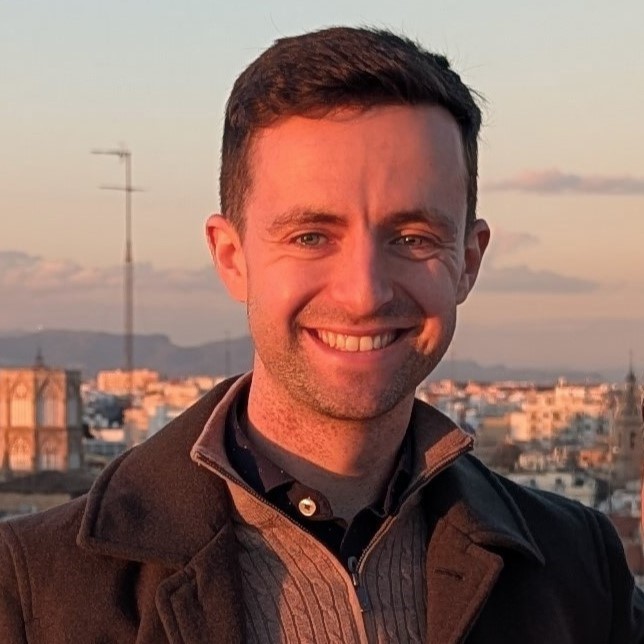
Charlie Rogers is the founder of undefinable life design, where he helps those who live beyond conventional labels (undefinables) to design their life for uniqueness through intimate spaces, life design frameworks and intentional transitions.
He's a life design coach, workshop facilitator, non-profit community builder (40+ members), newsletter writer (1.5k+ subs) and future of work consultant.
He's just self-published his first ever book - undefinable life design, which contains his model for how you use your many interests to design a unique life that sustains your energy and income.
Going live on [Date TBC], pre-order it now: [Link TBC]