Alice Sibelli, PhD: Gut-Brain Health, Digital Therapy & Living With Chronic Illness
"I was grieving old self. I was grieving the way my body used to function before I developed that problem."
"It's not about replacing necessarily doctors or psychologists, dietitians, but it is about increasing access to solutions that can truly help people that need it fast and safely."
"Life literally imitated research for me."
"bottling up emotions... has a negative impact on both mental and physical outcomes."
Psychological researcher Alice Sibelli, PhD joins Annie Wenmiao Yu to share how her own long medical journey with digestive symptoms reshaped her work in digital health. She unpacks the biopsychosocial model and brain-gut connection, how disorders of the gut-brain interaction are diagnosed, and how evidence-based digital therapies like gut-directed CBT and hypnotherapy can speed access to care. Alice also reflects on helping bring the first FDA-cleared digital therapeutic for IBS to market at Mahana, moving from academia to startups, and launching her own consultancy.
What you'll learn
- Living with a long-term health condition can affect not just your body but your confidence, relationships, work and sense of self — and grieving your 'old self' is a normal part of coping.
- The biopsychosocial model shows health results from the interaction of biological, psychological and environmental factors, and the brain-gut axis provides real biological pathways linking mind and body.
- Real physical symptoms can exist without an organic or structural cause — these are now called disorders of the gut-brain connection, and they deserve proper support rather than dismissal.
- Getting an accurate diagnosis first, through a GP and multidisciplinary team, ensures you look for the right solution to the right problem before turning to apps or therapies.
- Evidence-based digital therapies like gut-directed CBT and hypnotherapy can offer faster, safe access to care within a stepped-care approach while you wait for specialists.
- Moving from academia to a startup means prioritising ruthlessly and letting go of perfectionism — clinical work often needs to be 'good enough' and then iterated.
Key moments from the conversation
Becoming the patient
Alice describes waking one night with unusual throat and stomach symptoms that began a long medical journey. For the first time she was the patient rather than the researcher, and her confidence took a big hit as she grieved the way her body used to function.
Mind and body are connected
She traces the shift from the dualistic biomedical model of the 1980s to today's biopsychosocial model, explaining how the brain-gut axis reveals real biological pathways linking mental and physical health.
How gut-brain disorders are diagnosed
Alice walks through the multidisciplinary process — from blood tests and imaging to dietitians and specialist psychologists — and stresses how carefully the role of a psychologist must be framed for patients with real physical symptoms.
The first FDA-cleared digital therapeutic for IBS
She shares the roughly year-long de novo FDA submission and the years of research and randomised controlled trials behind Mahana's gut-directed CBT program becoming the first digital therapeutic for IBS cleared in the US.
Why Mahana shut down
Alice explains that digital therapies are still largely not reimbursed in markets like the US, a key commercial reason many digital therapeutics companies have closed — and why she remains optimistic the system is evolving.
Frequently asked questions
What is the brain-gut connection and how does it affect digestive health?
The brain-gut axis refers to the biological pathways — including the nervous system, hormones and immune cells — that connect the brain and the gut. This connection means real digestive symptoms like pain, bloating, diarrhoea or constipation can occur even when tests show no organic or structural problem, which is why these are now called disorders of the gut-brain connection.
Can stress and anxiety cause digestive symptoms?
Yes, but it's more complex than stress alone. Similar symptoms can have different root causes, so a thorough assessment by a gastroenterologist is needed to rule out organic causes like celiac or Crohn's disease. Where no organic cause is found, psychological and environmental factors interacting through the brain-gut axis often play a role, and gut-directed CBT or hypnotherapy can help.
What should I do if I have persistent bloating or digestive symptoms?
Alice Sibelli recommends starting with your GP, ideally bringing a thoughtful list of your symptoms and any solutions you'd like to explore. A doctor can help determine whether it's acute or long-term and run tests to rule out or confirm a diagnosis before you turn to digital apps, so you're targeting the right problem rather than self-diagnosing online.
Do digital therapies for IBS actually work?
Evidence-based digital therapies such as gut-directed cognitive behavioural therapy and hypnotherapy are clinically effective — in some cases more effective than certain medications. The first digital therapeutic for IBS cleared by the FDA came out of research Alice helped develop, following a large randomised controlled trial. These solutions are best used within a personalised, stepped-care approach alongside doctors and therapists.
How do you transition from academia to a startup career?
Alice advises prioritising ruthlessly — identifying your top three priorities for the week, month and quarter — and letting go of perfectionism. In fast-paced startups, clinical work often needs to be 'good enough' and then iterated, and you must learn to communicate your scientific value to commercial and product teams.
Who is Alice Sibelli?
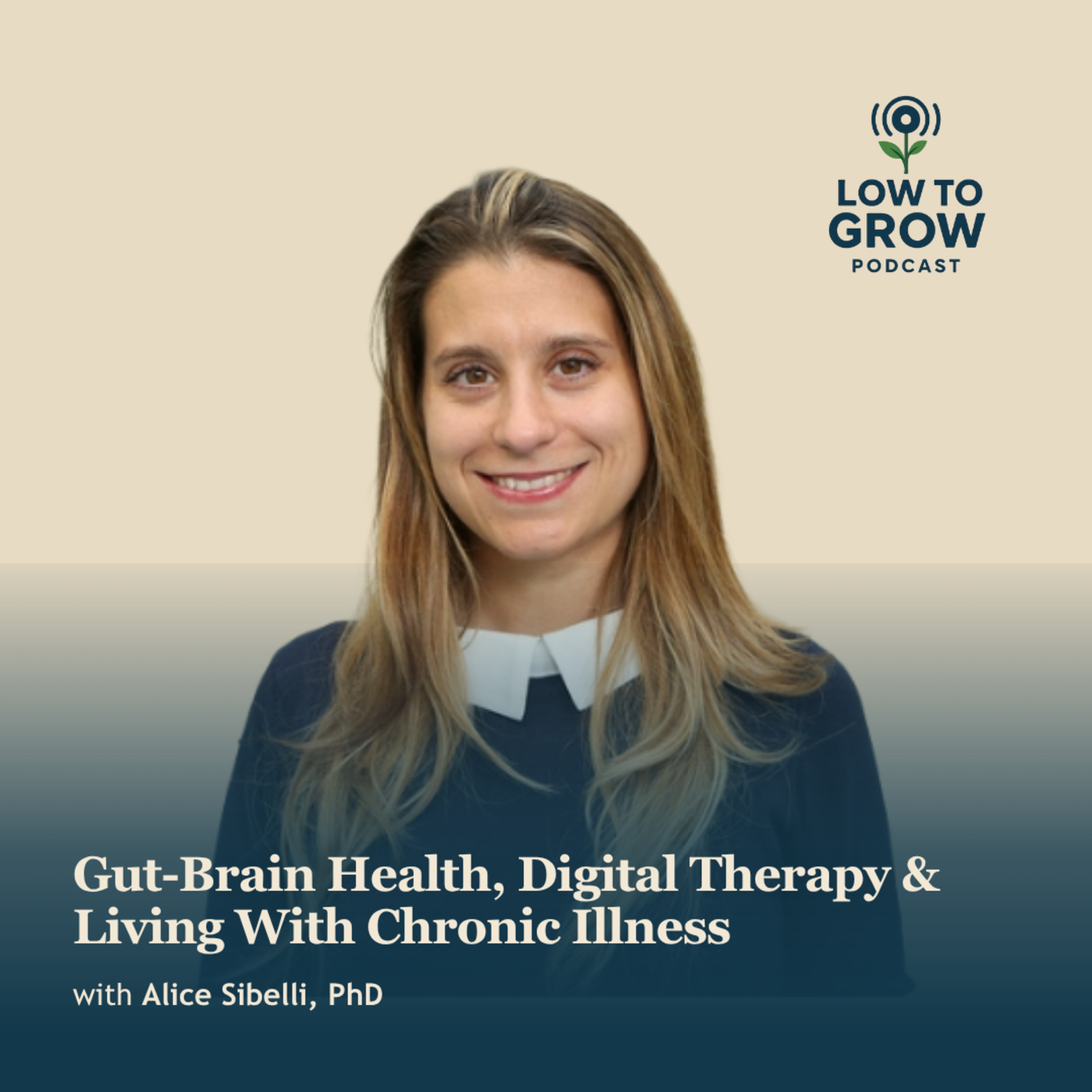
Alice Sibelli
PhD
Alice Sibelli, PhD is a psychological researcher with over 15 years of experience turning science into digital health solutions for people living with long-term conditions. Born in Italy, raised across South America, and based in the UK since 2008, she previously worked in academia at institutions including University College London and King's College London before joining digital therapeutics startup Mahana, where she served as Head of Medical and Clinical. She now runs her own consultancy advising health tech companies, pharma, and universities on product development, evidence generation, and clinical credibility. Her personal journey with digestive health conditions deeply informs her patient-centred approach.
Continue listening